

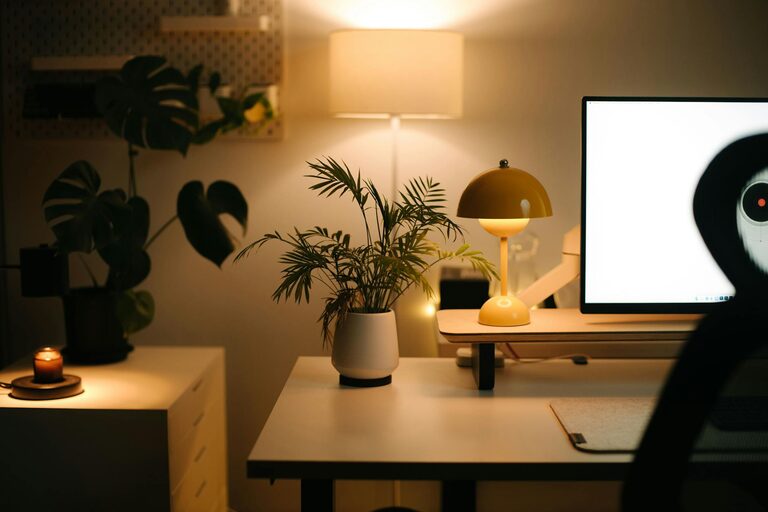
Creating a relaxing home office environment is essential for maintaining focus, reducing stress, and enjoying your workday. With many of us spending hours each day at our desks, having a space that feels calming and comfortable can make a big difference in productivity and overall happiness. Whether you work remotely full-time or just need a dedicated spot for occasional tasks, these tips will help you design a home office that supports relaxation and efficiency.
Choose the Right Location
Find Natural Light
Natural light has a positive effect on mood and energy levels. Position your desk near a window where you can enjoy daylight without glare on your screen. If natural light is limited, consider adding full-spectrum bulbs that simulate daylight to brighten your work area.
Minimise Distractions
Select a quiet spot away from noisy appliances, busy foot traffic, or loud household activities. This will help you stay focused and reduce interruptions throughout the day.
Prioritise Comfort
Invest in an Ergonomic Chair
A supportive chair that encourages good posture is key to comfort. Look for adjustable features like seat height, armrests, and lumbar support to suit your body shape.
Use a Suitable Desk
Choose a desk at a height where your arms can rest comfortably while typing. Standing desks or adjustable sit-stand workstations are also great options to vary your posture.
Add Soft Textiles
Incorporate cushions, throws, or a soft rug to soften the space and make it feel cosy.
Declutter and Organise
Keep Only Essentials on Your Desk
Too many items can create visual chaos and stress. Keep your workspace tidy by storing away non-essentials and using organisational tools like trays, drawers, or filing systems.
Use Cable Management
Messy cables can be distracting. Use clips or sleeves to bundle cords together and keep your desk surface clear.
Embrace Minimalism
A clean, minimalist workspace promotes clarity of thought. Regularly declutter to maintain a neat environment.
Create a Pleasant Atmosphere
Incorporate Plants
Indoor plants improve air quality and add a touch of nature, which can have calming effects. Choose low-maintenance varieties like succulents, spider plants, or pothos.
Choose Soothing Colours
Soft, neutral tones like pale blues, greens, or greys encourage relaxation. Avoid overly bright or harsh colours that can be stimulating.
Introduce Personal Touches
Add items that make you happy but don’t overcrowd your space—perhaps family photos, artwork, or meaningful souvenirs.
Control Lighting and Sound
Use Layered Lighting
Combine ambient lighting with task lamps to reduce eye strain and create a warm environment. Adjustable desk lamps can help focus light where you need it most.
Consider Noise Control
If external noise is bothersome, use noise-cancelling headphones or a white noise machine. Soft furnishings also help absorb sound and minimise echoes.
Encourage Movement and Breaks
Plan Space for Stretching
Having some room to stand and stretch during your breaks can help prevent stiffness. Consider a corner with a yoga mat or a small area for simple exercises.
Set Reminders for Breaks
Use apps or timers to remind yourself to take short breaks and move around regularly. This supports both physical and mental health.
Manage Technology Wisely
Keep Screens at Eye Level
Position your monitor so the top of the screen is at eye level, reducing neck strain.
Adjust Screen Brightness and Colours
Match your screen brightness to your surroundings and consider software to reduce blue light, especially in the evenings, to protect your eyes and improve sleep.
Maintain Good Air Quality
Ventilate Your Space
Open windows regularly to circulate fresh air, or use an air purifier if ventilation is limited.
Avoid Strong Scents
Strong smells can be distracting or irritate some people. Choose mild, natural scents if desired, such as essential oils in a diffuser.
—
By integrating these thoughtful tips, you can transform your home office into a sanctuary that supports both relaxation and productivity. A well-designed workspace tailored to your needs will help you stay motivated, reduce stress, and enjoy your working hours more fully. Take the time to personalise your space and adjust it as you discover what works best for you.