

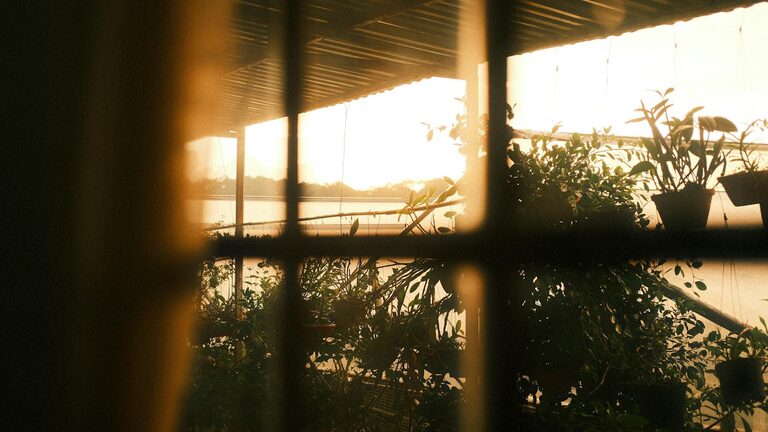
Creating a relaxing outdoor garden space at home is a wonderful way to enjoy fresh air, connect with nature, and find some peace in a busy world. Whether you have a small balcony or a large backyard, a few thoughtful steps can turn your outdoor area into a serene haven. This guide offers practical tips for designing and maintaining a garden that soothes the senses and invites relaxation.
Choosing the Right Location and Layout
Before planting or decorating, consider where your garden will be most comfortable and inviting.
Assess Sun and Shade
Observe how sunlight moves across your outdoor area throughout the day. Do you prefer basking in the sun or relaxing in shaded spots? Most garden spaces benefit from a mix of both. Plant sun-loving flowers or vegetables in brighter areas and shade-tolerant plants where sunlight is limited.
Create Zones for Different Activities
Think about how you want to use your garden. A quiet nook with a bench or hammock is perfect for reading or meditation, while a dining area can accommodate meals with family and friends. Defining zones can make your garden more functional and enjoyable.
Selecting Plants for a Relaxing Atmosphere
Plants are key to creating a calm environment. Choose species that bring colour, fragrance, and texture without requiring excessive upkeep.
Opt for Soothing Colours and Scents
Soft greens, blues, and pastel flowers tend to feel calming. Lavender, jasmine, and gardenias release gentle fragrances that can reduce stress and enhance mood.
Include Evergreen Plants
Evergreens provide year-round structure and a sense of stability in your garden. Shrubs like boxwood or holly maintain greenery during winter months.
Choose Low-Maintenance Varieties
If you want to relax rather than work hard in your garden, pick hardy, drought-tolerant plants that need less watering and pruning.
Incorporating Comfortable Seating and Shelter
To fully enjoy your garden, create comfortable areas to sit and seek shelter when necessary.
Invest in Weather-Resistant Furniture
Choose chairs and tables made from materials that withstand outdoor conditions, such as treated wood, metal, or rattan. Add cushions with weatherproof fabric for extra comfort.
Add Shade with Umbrellas or Pergolas
Shade structures help protect from strong sun and make your garden usable even in warmer weather. A pergola with climbing plants like wisteria can provide cool dappled shade.
Using Water Features for Calmness
Water sounds naturally relax the mind and help mask urban noise.
Consider Small Ponds or Fountains
A simple water fountain or birdbath can add gentle noise and attract wildlife. For larger spaces, a small pond with floating plants and fish can be very soothing.
Lighting for Evening Enjoyment
Extending garden use into the evening boosts your enjoyment and creates a magical atmosphere.
Use Soft, Warm Lighting
String lights, solar lanterns, or ground-level uplights create inviting pools of light without harshness. Avoid overly bright bulbs that can disturb the tranquil feeling.
Personalising with Decorations and Accessories
Add elements that reflect your personality and enhance relaxation.
Include Natural Materials
Decorate with stones, driftwood, or handmade pottery to maintain a natural, harmonious vibe.
Add Textiles and Rugs
Outdoor rugs and throws can make seating areas more cosy and visually appealing.
Maintaining Your Garden
A well-maintained garden reduces stress and keeps the space inviting.
Regular Pruning and Weeding
Keep plants healthy and paths clear to maintain beauty and accessibility.
Seasonal Updates
Refresh your garden with seasonal plants or decorations to keep the space interesting all year round.
—
Creating a relaxing outdoor garden space at home doesn’t require a large budget or extensive skills. With mindful choices and some regular care, your garden can become a favourite place to unwind, recharge, and enjoy the calmness of nature. Take your time experimenting with different plants, layouts, and accessories to discover what feels most peaceful to you. Happy gardening!