

Creating a sustainable and eco-friendly home garden is a rewarding way to connect with nature while reducing your environmental impact. Whether you have a small balcony or a spacious backyard, adopting sustainable practices can support biodiversity, conserve resources, and enjoy fresh, home-grown produce throughout the year. This guide offers practical tips to help you design and maintain a garden that is kind to the earth and enriching for you.
Plan Your Garden with Sustainability in Mind
Before planting, spend some time planning your garden layout and choice of plants.
Choose Native and Adapted Plants
Selecting native plants or those well-suited to your local climate is key. These species require less water, fertiliser, and pest control because they have evolved to thrive in your area. Visit a local garden centre or botanical garden for advice on the best plants for your region.
Consider Edible Plants
Growing fruit, vegetables, and herbs reduces your reliance on store-bought produce, which often involves packaging and transportation emissions. Plan succession planting to harvest different crops throughout the seasons and maximise your yield.
Design for Wildlife
Include plants that provide shelter and food for pollinators like bees, butterflies, and birds. This supports the local ecosystem and improves pollination for your garden plants.
Use Sustainable Gardening Practices
How you care for your garden has a big impact on sustainability.
Compost Your Garden Waste
Composting leaves, vegetable scraps, and grass clippings creates rich, natural fertiliser, reducing waste sent to landfill. A compost bin or heap can be easily established in most gardens.
Reduce Water Use
Water shortages are a concern in many areas, so conserving water is crucial.
– Water in the early morning or late evening to reduce evaporation.
– Use rainwater collection systems such as barrels to irrigate your garden.
– Mulch around plants to retain moisture and suppress weeds.
Avoid Chemical Fertilisers and Pesticides
Instead of chemicals, use organic fertilisers like well-rotted manure or seaweed extract. Encourage beneficial insects such as ladybirds and lacewings to control pests naturally, or pick pests off by hand.
Extend the Growing Season
Growing plants all year round can be challenging but is achievable with some techniques.
Use Raised Beds and Greenhouses
Raised beds warm up more quickly in spring and improve drainage. A greenhouse or cold frame protects delicate plants from frost and extends the growing season.
Plant Season-Appropriate Crops
Cool-season crops like kale, spinach, and carrots can tolerate frost and be grown in autumn and winter. Summer crops such as tomatoes, beans, and courgettes flourish in warmer months.
Practice Crop Rotation and Interplanting
Rotating crops each season improves soil health and reduces pest problems. Interplanting fast-growing plants with slower ones maximises space and diversity.
Maintain Healthy Soil
Healthy soil is the foundation of a thriving garden.
Add Organic Matter Regularly
Incorporate compost, leaf mould, or green manure crops to improve soil structure, nutrient content, and moisture retention.
Avoid Soil Compaction
Minimise walking on beds, especially when wet. Use paths or stepping stones to protect soil from becoming compacted, which restricts root growth and water absorption.
Test Your Soil
A soil test helps identify pH levels and nutrient deficiencies, guiding you in choosing appropriate amendments or plants.
Reuse and Recycle in the Garden
Sustainability means making the most of available resources.
Repurpose Old Items
Use containers, pallets, and wood scraps for raised beds, trellises, or plant supports rather than buying new materials.
Save Your Seeds
Collecting and saving seeds from your healthiest plants helps build a resilient garden adapted to your local conditions and reduces dependency on commercial seed suppliers.
Reduce Plastic Use
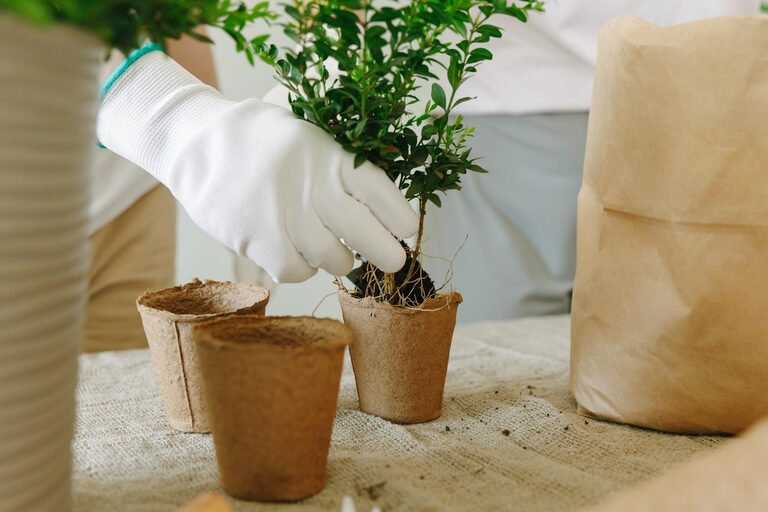
Choose biodegradable pots or grow plants in soil directly rather than plastic containers. Reuse pots and trays whenever possible.
Support Local Community and Wildlife
Your garden can benefit others beyond your home.
Share Plants and Produce
Swap cuttings, seeds, or excess harvest with neighbours to encourage green living in your community.
Create Habitats
Include bird feeders, bee hotels, or log piles to provide shelter and food for garden wildlife.
Stay Informed and Inspired
Join local gardening groups or attend workshops to learn more about sustainable practices and share your experiences.
—
By implementing these tips, you can cultivate an eco-friendly garden that supports biodiversity, conserves resources, and produces healthy plants all year round. Sustainable gardening is a continuous journey, but every small step helps create a greener future for us all. Happy gardening!